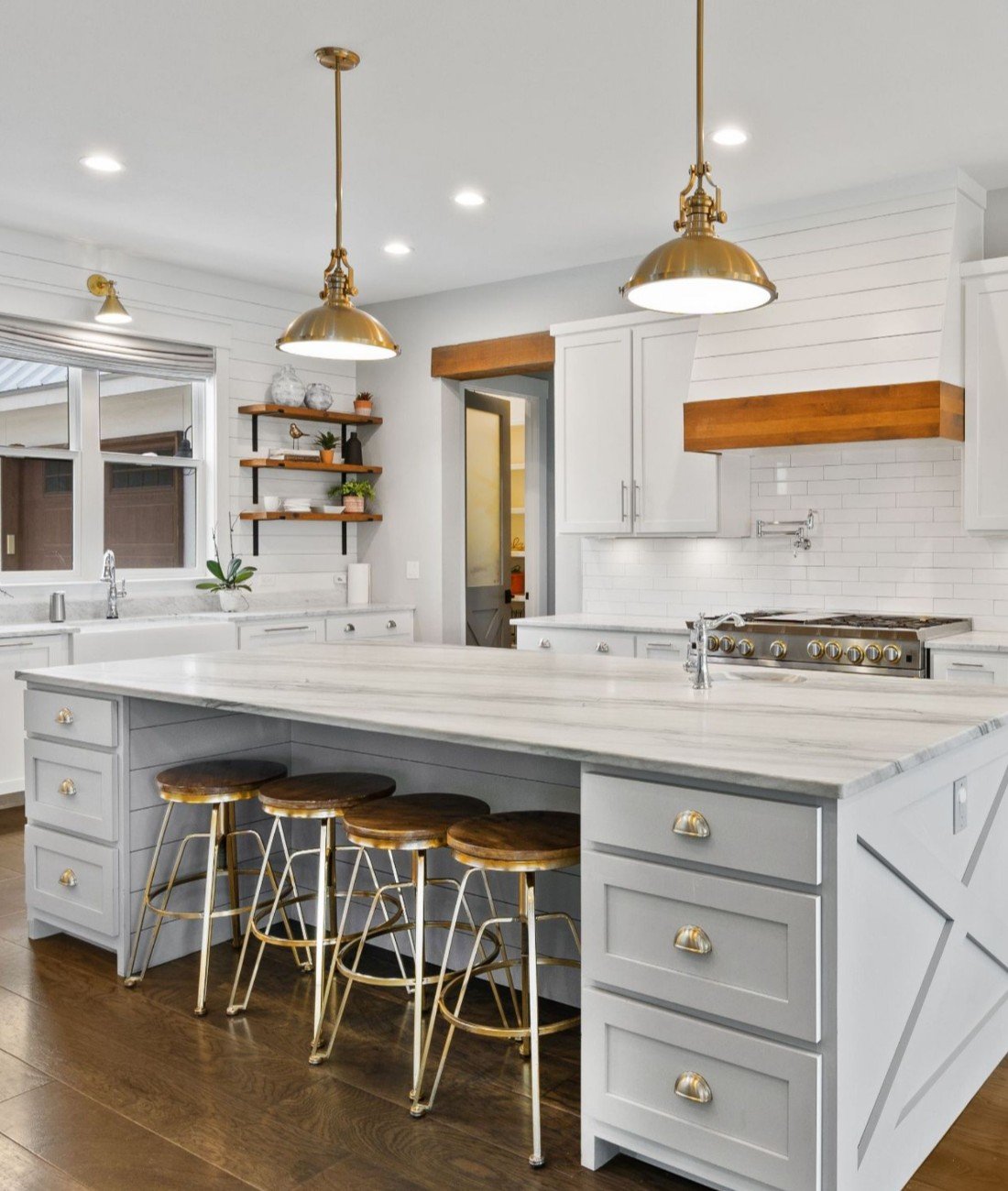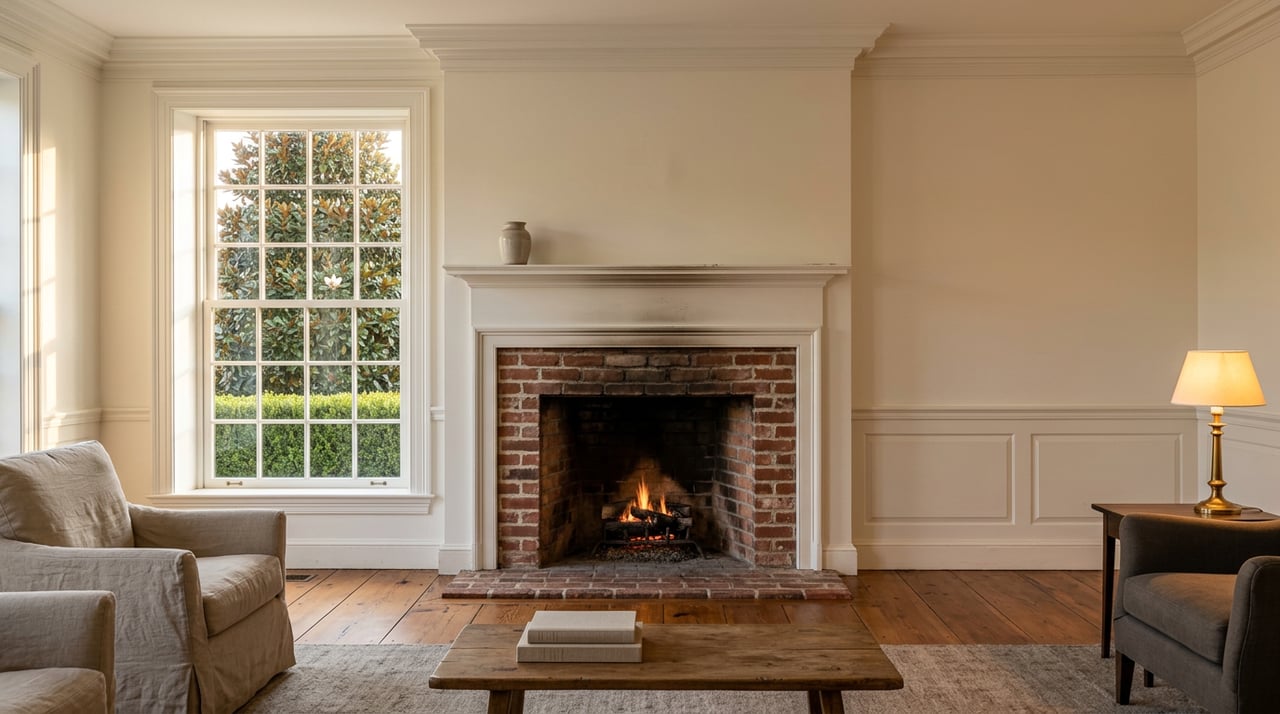
A renovated townhome inside Crabapple's walkable village core listed this year for well under a million dollars. Six miles up Birmingham Road, a working equestrian estate with a 64-acre training facility went on the market for $8.1 million. Both addresses carry the same city name, the same 30004 zip code, and the same "Milton, GA" that shows up when a search bar spits out a median price.
That median is real. It is also describing almost nothing, because it is averaging a walkable townhome market against a horse country that has been legally protected from looking like anything else since the city incorporated.
The Number That Doesn't Match Itself
Here is the first thing worth knowing before you anchor on any single Milton figure: the major indexes do not agree with each other, and the disagreement is not noise. Zillow's home value index put Milton's typical home value at $956,345 as of July 31, 2026, up 2.7% over the prior year, with homes moving to pending in around 37 days. That is an average built to smooth out the whole market into one line.
Public MLS data tells a different story for the same window. Georgia MLS and First Multiple Listing Service figures placed Milton's median sold price closer to $1.1 million in June 2026. A median and an average measuring the same city, in the same season, land nearly $150,000 apart.
That gap is not a data error. It is what happens when a handful of multimillion-dollar equestrian sales sit at the top of the distribution and pull the average away from where most transactions actually cluster. If you have only seen one of these two numbers, you have only seen half the market.
Five Milton Products Wearing One Zip Code
Once you stop treating "Milton" as one market, the picture gets a lot more useful. Based on where 2026 activity has actually landed, the city breaks into distinct tiers that behave like different products, not different neighborhoods of the same product.
| Area | 2026 Price Range | What You're Actually Buying |
|---|---|---|
| Crabapple village core | Roughly $835,000 to $950,000-plus | Walkable, New Urbanist streets, small lots, proximity to Crabapple Market |
| Crooked Creek | Around $1.2 million | Established golf community, larger lots than Crabapple |
| White Columns | Around $1.6 million | Tom Fazio-designed 18-hole course, clubhouse renovated for roughly $5 million |
| The Manor Golf & Country Club | $2.25 million to $4 million-plus | Gated golf estate community |
| Birmingham Road equestrian corridor | $1.4 million to $8 million-plus | Working horse farms, riding arenas, acreage measured in double digits |
A buyer who says "I want to spend $1.2 million in Milton" could be shopping Crooked Creek's established golf-community inventory or the entry edge of White Columns. A buyer who says the same thing while touring Birmingham Road is shopping the bottom rung of a completely different ladder, one where the same dollar amount buys a fraction of an acre next to a barn instead of a finished golf-community lot.
What's Actually Rationing the Top Tier
The reason that top tier stays scarce instead of filling in with new construction is not mystery or momentum. It is zoning, and it is deliberate. Milton incorporated in 2006 specifically to keep its rural and equestrian character intact
The scale of what that protects is documented, not estimated. The city's own Equestrian Committee spent 2024 mapping every property that functioned as a horse farm and found more than 200 active operations spread across the city, not clustered in one corner of it. That map is public on the city's site, and it is worth a look if you want to understand why "Milton" reads so differently depending on which road you're standing on.
The identity behind that zoning shows up in small, specific ways that no spreadsheet captures. One member of the Milton Police Department competes as an award-winning barrel racer on her days off, riding a horse named Hunter, a detail the city highlights on its own equestrian community page because it is simply true of the place. That is not marketing color. It is the texture of a zoning decision that most other North Fulton suburbs never had to make, because they never had this many working farms to protect in the first place.
The Pace Difference Nobody Prices For
The tiers don't just differ in price. They move at different speeds, and that difference changes how a buyer or seller should plan a transaction.
Established communities in the sub-$1.8 million range, including Crooked Creek and the Crabapple-adjacent inventory, have been absorbing in roughly 20 to 30 days through most of 2026. The $3 million-plus tier at The Manor and along the Birmingham Road corridor moves considerably slower, typically 60 days or more, because the buyer pool for an estate with equestrian infrastructure is smaller and more deliberate than the buyer pool for a golf-community house with a three-car garage.
If you're selling a $1.5 million home and pricing it against what a Birmingham Road listing did last month, you're benchmarking against a different buyer entirely. If you're buying at the top tier and expecting a 30-day process because that's what you read about Milton overall, the calendar you actually need is closer to a season than a month.
Locating Yourself Before You Price Yourself
None of this means one Milton tier is better than another. It means the citywide number you saw on a portal was never built to answer the question you're actually asking, which is what a specific kind of home, on a specific kind of lot, in a specific part of the city, is likely to cost and how long it's likely to take.
Design and presentation still move the needle inside every one of these tiers. A well-staged townhome in Crabapple and a well-presented equestrian estate on Birmingham Road are both competing for buyers who are comparing your home to the last three they toured, whether that comparison happens in a 900-square-foot living room or a barn aisle at a 64-acre training facility. Knowing which tier you're actually in is the first step. Presenting well inside it is the second.
If you're trying to figure out which of these five Miltons matches your budget, your timeline, or the home you're getting ready to sell, Pamela Bills works this market corridor by corridor rather than by citywide average. Schedule a free consultation to talk through where your specific move actually lands.
This article is general information, not legal, tax or financial advice. Consult a qualified professional about your situation.