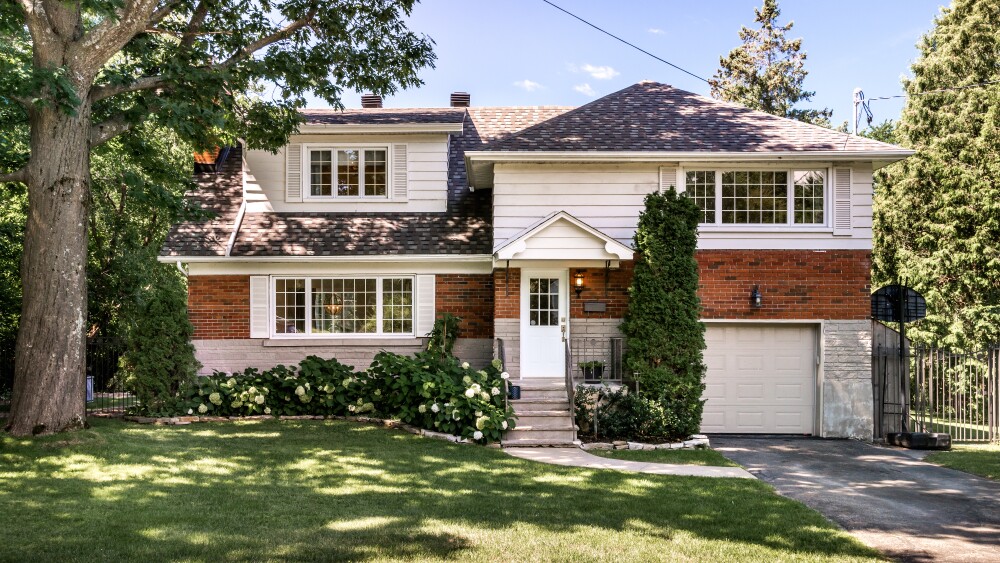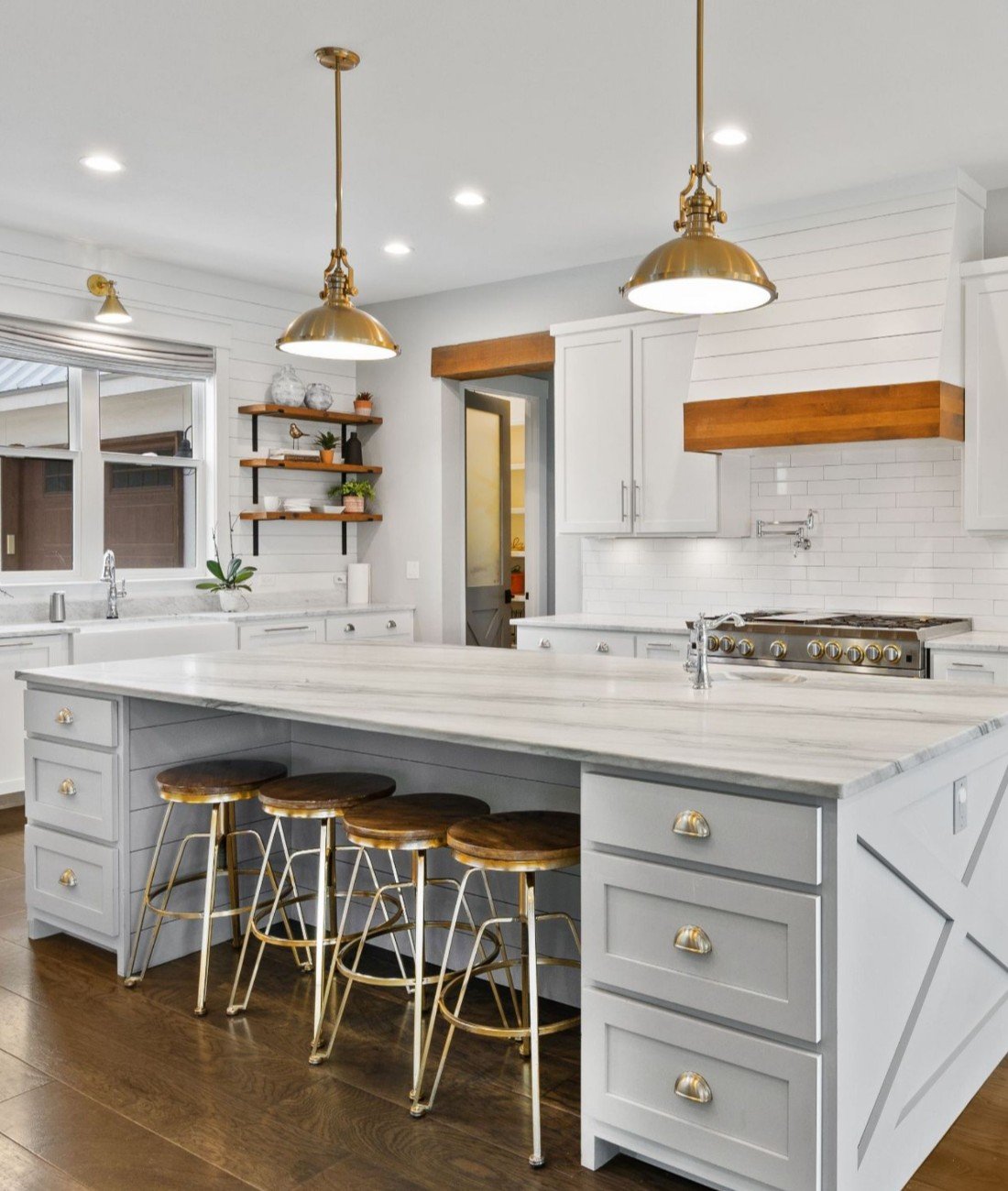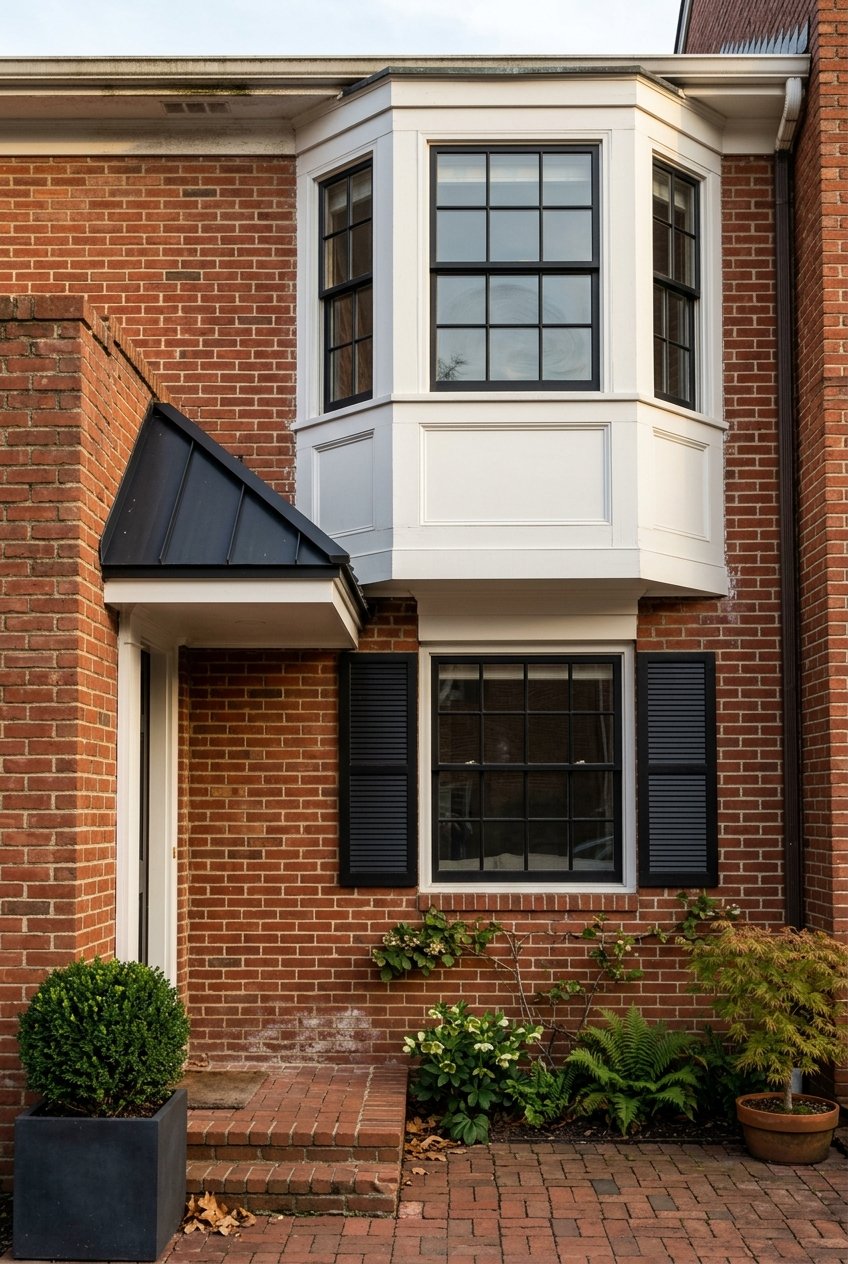
Wondering whether a new construction home or a resale home makes more sense in Milton? You are not alone. In a market known for large lots, premium price points, and a more limited supply of new builds, the right choice often comes down to your timeline, your design priorities, and how much flexibility you want after closing. This guide will help you compare both paths so you can make a more confident move in Milton. Let’s dive in.
Why This Choice Feels Different in Milton
Milton is not a typical high-density suburban market. According to the city, about 85% of its more than 39 square miles are agriculturally zoned, which generally means residential lots must be at least 1 acre.
That matters because it can limit how much new construction inventory comes online compared with denser suburbs. In Milton, many buyers are not simply choosing between two homes. They are often choosing between a custom or infill opportunity and an existing home in an established setting.
Milton also sits in a premium price tier. Public market trackers reported median sale prices near or above the $1 million mark in May 2026, with median market times ranging from the high 20s to just over 30 days depending on the source and methodology.
In plain terms, buyers are shopping in a competitive, high-value market where both product type and timing matter. That makes it even more important to compare the full experience of new construction versus resale, not just the listing price.
New Construction in Milton
New construction can be appealing if you want a home that feels fresh, current, and more tailored to your taste. In Milton, though, the process usually comes with more moving parts than many buyers expect.
Because of the city’s land-use pattern and lot-size rules, new construction can be more limited than in nearby suburbs with smaller lots and more dense development. That often makes available opportunities feel more custom, more selective, and sometimes more complex.
What You May Like About New Construction
The biggest draw for many buyers is customization. Depending on the stage of construction, you may be able to choose finishes, materials, fixtures, or layout features that help the home feel move-in ready for your style from day one.
New homes in Milton are also built under current state minimum construction codes enforced by the city. Milton lists codes including the 2024 IRC, 2024 IBC, 2023 NEC, and 2015 IECC, which means your home should align with current code requirements at the time it is built and approved.
For some buyers, that can translate into fewer early maintenance projects compared with an older home. You may spend less time planning immediate updates and more time settling in.
What to Watch With the Timeline
A new build does not just move from framing to closing overnight. Milton requires building permits for new residences, and the city says no work may begin until a pre-construction inspection is completed.
The city also notes that permit comments are typically issued within 10 business days after acceptance. Beyond that, new construction goes through periodic inspections, including an 80% inspection and a final inspection before a certificate of occupancy or completion is issued.
If the property also needs land disturbance, grading, or tree removal permits, that can add more layers to the timeline. For you as a buyer, that means the move-in date may depend on approvals and inspections, not just the builder’s projected completion date.
Costs Buyers Should Clarify Up Front
Milton assesses permit, plan-review, and certificate-of-occupancy fees on residential new construction. When you review a contract, it is smart to ask whether those costs are already included in the purchase price or if the builder expects the owner to absorb any part of them.
Builder incentives can also look different from resale negotiations. Freddie Mac notes that builders may be more likely to offer upgrades, options, or closing-cost assistance instead of a large price reduction.
That is one reason it helps to compare the whole package. A slightly higher price may come with finish selections or concessions that change the value equation.
Warranties Are Helpful, But Limited
Many buyers assume a new home warranty covers everything. In reality, builder warranties are usually narrower than people expect.
The FTC says workmanship and materials on many components are often covered for about one year, major systems like HVAC, plumbing, and electrical for about two years, and some structural defects for up to 10 years. Appliances and cosmetic issues are often excluded, and a separate home warranty is a paid service contract, not the same as a builder warranty.
That distinction matters. A warranty can be useful, but it should not replace careful review, documentation, and an inspection.
Yes, You Still Need an Inspection
Even if the home is brand new, an independent inspection is still a smart step. Both Freddie Mac and the CFPB recommend independent inspections for new homes.
A new build may meet code and still have items that deserve attention before closing. An inspection gives you a clearer picture of what to request, monitor, or document while the builder is still responsible for final corrections.
Resale Homes in Milton
A resale home offers a different kind of value. Instead of waiting on construction, permits, and final occupancy, you are evaluating a home that already exists, with its setting, lot, layout, and maintenance history visible from the start.
In Milton, that can be especially attractive if you want a home in a more established area or you simply do not want the uncertainty that can come with a build timeline. You can often understand the property more fully on day one, including how it sits on the lot and how mature the landscaping feels.
Why Buyers Choose Resale
The biggest advantage is certainty of what you are buying. You can walk through the finished home, review its condition, and judge whether the layout and updates work for your daily life.
Resale also tends to fit buyers who want to move on a shorter timeline. If you find the right home and the transaction stays on track, you can avoid the extended wait that often comes with new construction.
For buyers with a design eye, a resale home can also offer opportunity. Some homes are fully updated, while others leave room for cosmetic improvements that help you personalize the space over time.
The Main Trade-Off Is Condition
The flip side is that a resale home comes with wear, age, and a maintenance record that may not always be obvious at first glance. That is why inspection and contract contingencies matter so much.
The CFPB advises buyers to schedule an independent inspection as soon as possible, attend it if they can, and use the results to negotiate repairs, credits, or cancellation if the contract allows. In a resale purchase, that process can protect both your budget and your peace of mind.
Renovation Plans May Require Permits
If you are buying resale because you plan to update it after closing, Milton’s permit rules should be part of your planning. The city generally requires permits for additions and renovations, basement and attic finishes, detached accessory structures, and plumbing, electrical, or HVAC changes.
On the other hand, painting, floor coverings, cabinets and countertops, and general maintenance are typically not permit-triggering work. So if your vision is mostly cosmetic, the path may be simpler than if you are planning structural or mechanical changes.
That difference can affect your budget and your timeline. A home that looks like a bargain may not feel that way once renovation scope, permit requirements, and project sequencing come into focus.
How to Compare New Construction Versus Resale
When you weigh your options in Milton, it helps to focus on a few practical questions instead of chasing the newest listing first.
Ask Yourself These Questions
- Do you want to move soon, or can you wait through a staged build process?
- How important is finish selection versus buying a home you can tour exactly as it stands today?
- Are you comfortable managing possible construction delays?
- Would you rather avoid early maintenance, or are you open to updating an existing home over time?
- Are you drawn to a specific lot, location, or established setting that may be easier to find with resale?
Those answers usually point you in the right direction faster than price alone.
Compare Total Monthly Cost
No matter which path you prefer, compare the total monthly cost, not just the purchase price. The CFPB recommends accounting for mortgage principal and interest, property taxes, homeowner’s insurance, supplemental insurance where required, and HOA dues if applicable.
That broader view is especially useful in Milton’s premium market. A home that feels like a better deal on paper may carry monthly costs that change your comfort level.
Which Option Fits You Best?
New construction may be the better fit if you want current-code construction, a lower early-maintenance profile, and the chance to personalize finishes. It tends to work best if you are comfortable with a longer process and understand that inspections, permits, and final occupancy all shape the timeline.
Resale may be the better fit if you value an established setting, want a clearer move-in timeline, or prefer to see the exact home and lot before making your decision. It can also be a smart choice if you are open to thoughtful cosmetic updates and want to build value through design over time.
In Milton, the answer often comes down to how you want to live, not just what you want to buy. The city’s low-density layout, larger lots, and limited new-build pipeline make this a highly personal decision.
If you want help comparing homes through both a market and design lens, Pamela Bills can help you sort through the options and choose a path that fits your goals.
FAQs
Do you need an inspection for a new construction home in Milton?
- Yes. Independent inspections are still recommended for new homes, even when the property is newly built and going through municipal inspections.
Is new construction limited in Milton compared with other suburbs?
- Yes. Milton says about 85% of the city is agriculturally zoned, and residential lots generally must be at least 1 acre, which helps limit new construction opportunities compared with denser suburbs.
Do Milton resale home renovations usually require permits?
- Many do. Milton generally requires permits for additions, renovations, basement and attic finishes, detached accessory structures, and plumbing, electrical, or HVAC changes.
Are resale homes in Milton riskier than new construction homes?
- Resale homes can come with more unknown wear and maintenance history, which is why an independent inspection and strong contingency language are so important.
What should Milton buyers compare besides list price?
- You should compare the total monthly cost, including mortgage principal and interest, property taxes, homeowner’s insurance, supplemental insurance where required, and HOA dues if applicable.