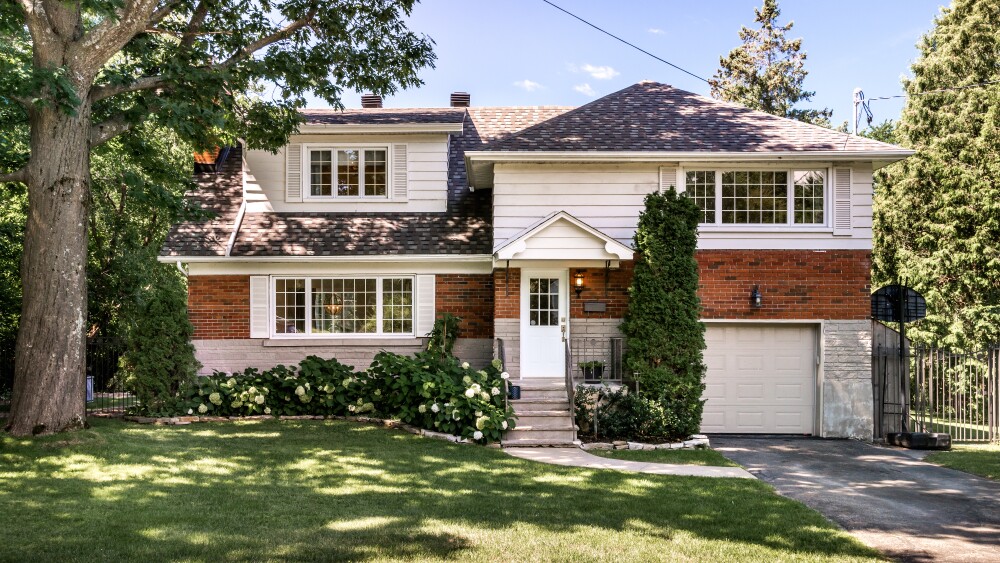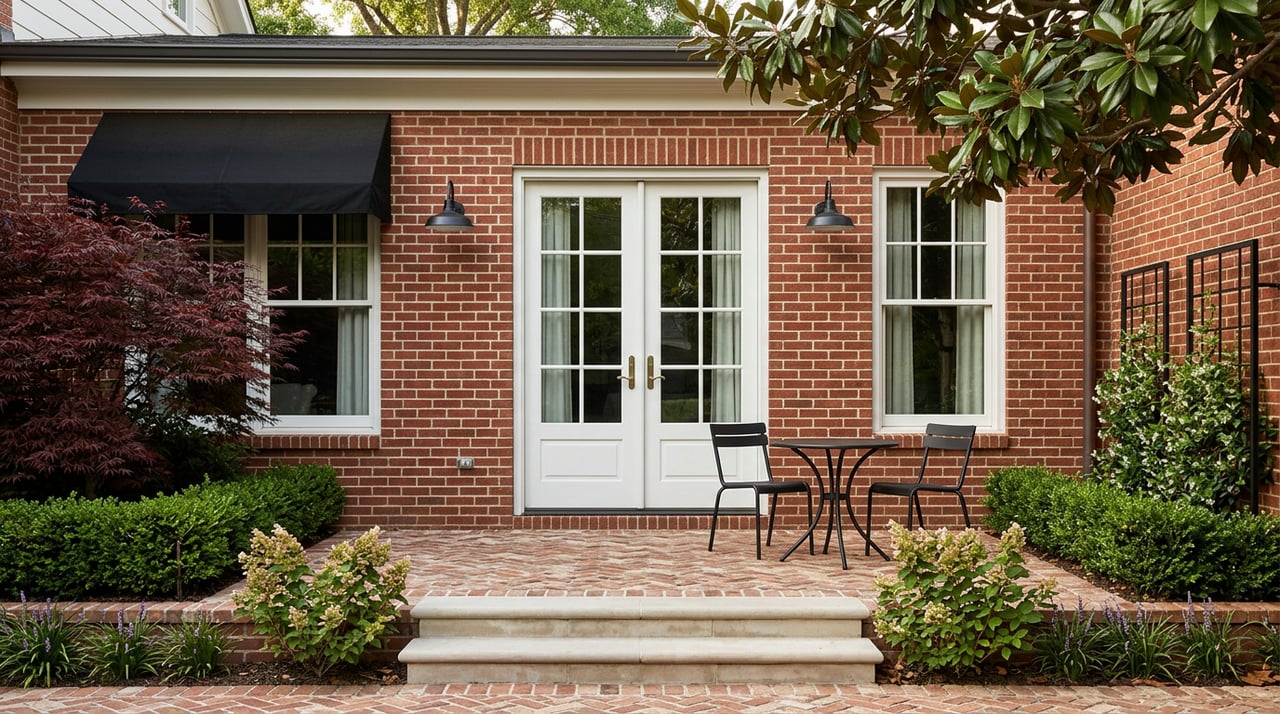
Thinking about trading your current home for more space, better flow, or a different lifestyle in North Fulton? You are not alone. Many families in Alpharetta and Milton reach a point where an extra bedroom, a more functional yard, or a quieter setting becomes essential. In this guide, you will see clear differences between Milton and Alpharetta so you can target the best fit for your budget, daily routine, and long-term goals. Let’s dive in.
Market snapshot: what your budget buys
If you are planning a move-up purchase, it helps to set realistic expectations by city.
- Milton: Zillow’s typical home value measure (ZHVI) was about $918,000 as of January 31, 2026. Milton’s pricing often skews higher because the city has more large-lot estates and fewer lower-priced attached homes. Luxury neighborhoods and acreage properties frequently trade in the seven-figure range.
- Alpharetta: Citywide medians are generally lower than Milton on average. Zillow’s reported value for Alpharetta was about $709,000 as of January 31, 2026. The city includes a broader product mix, from downtown townhomes and condos to single-family subdivisions and high-end gated communities.
Why numbers differ: Portals use different methods. Zillow’s ZHVI reflects a typical value across all home types, while other sites may show recent median sale or list prices. Use these figures as context and pair them with neighborhood-level comps when you get serious.
Bottom line: Expect many Milton opportunities to start in the mid-to-high six figures and extend well above $1 million. In Alpharetta, you will see a wide range from lower to mid six figures for attached homes and many neighborhoods in the $700,000 to $1 million plus range for single-family.
Homes and lots: Milton vs Alpharetta
Milton: space, privacy, and equestrian lifestyle
Milton intentionally preserves a rural, large-lot character. The city highlights large-lot incentives and has an active equestrian committee that supports this identity. If you want acreage, a barn, or room for a hobby farm, Milton is the go-to choice. You will find many 1 acre plus parcels and opportunities for 3 acres or more for equestrian needs. Explore the city’s stance on lot sizes and equestrian culture through its large-lot incentives and equestrian community resources.
Typical move-up homes in Milton include custom single-family estates on 1 to 10 plus acres, newer luxury builds in gated communities, and select infill options. Attached product is less common, which is one reason citywide medians sit higher.
Alpharetta: convenience, variety, and mixed-use access
Alpharetta offers a denser, amenity-rich environment, including a walkable downtown, Avalon and Halcyon districts, and established master-planned communities like Windward. For many professionals in North Fulton, this means shorter trips to retail and entertainment, plus good access to GA 400 and local employment nodes. The city’s innovation ecosystem is a draw as well. Learn more about the tech community at Tech Alpharetta.
Typical move-up options include established subdivisions with pools and tennis, newer luxury neighborhoods, and townhomes or condos near downtown or Avalon for lower-maintenance living while still upgrading interior finishes and square footage.
Quick fit check
- Choose Milton if you value privacy, acreage, and outdoor living. You accept more driving for errands and a quieter lifestyle.
- Choose Alpharetta if you want variety, walkability to restaurants and events, community amenities, and easier access to employment centers.
Taxes and carrying costs to plan for
Property taxes influence your monthly payment and should be part of your early math.
- Fulton County general fund millage: 8.87 mills for 2025. See the county’s update on the rate being held at that level in 2025 in this Fulton County news release.
- Milton city millage: FY2025 materials list 4.193 mills for maintenance and operations plus a 0.310 mills Greenspace bond (total 4.503 mills on the city portion). Refer to the city’s property taxes page for updates.
- Alpharetta city millage: FY2026 adopted at 5.75 mills per the city’s approved ordinance that year.
School millage and special districts are additional and vary by address. Cities and counties set rates annually, so always confirm the current year.
How Georgia calculates property tax
- Start with fair market value.
- Assessed value equals 40 percent of fair market value for most real property.
- Subtract eligible exemptions to get taxable value.
- Multiply taxable value by the total millage divided by 1,000 to estimate tax.
A practical next step is to run a property-specific estimate. Use Fulton County’s tax estimator to compare addresses in Milton and Alpharetta. For Milton properties, you can also check the city’s property taxes page to understand bill components and timelines.
Ownership costs that often differ
Acreage can add recurring costs beyond taxes and mortgage payments. Budget thoughtfully for:
- Septic systems and possible private wells on larger parcels. Plan for inspections and routine maintenance.
- Larger landscaping and driveway maintenance. Acreage takes more time and professional care.
- Fencing, barn or outbuilding upkeep. Equestrian or hobby-farm features require annual budgets.
- HOA dues in amenitized subdivisions. Alpharetta and Milton both have HOA communities, but subdivisions with pools and tennis often carry higher dues.
Schools and programs: what to verify
Most addresses in Milton and Alpharetta are served by Fulton County Schools, but attendance zones are address specific and can cross city lines. Always verify the assigned school for a specific property.
Representative examples that families often research include Milton High School and Cambridge High School, which have strong ratings on GreatSchools. At the time of writing, Milton High School is rated 10 out of 10 and Cambridge High School is rated 9 out of 10 on GreatSchools. You can review details for Milton High School and Cambridge High School. Schools in the Alpharetta area, such as Alpharetta High and others depending on the address, also post strong results. Programs vary by campus, so consider STEM, IB, AP, and extracurricular options in addition to summary ratings.
Tip: If schools are a top driver, include program offerings and commute patterns in your shortlist. That will help you balance priorities without paying for features you will not use.
Commute and lifestyle tradeoffs
- Alpharetta: Strong access to GA 400, major employers, and daily retail in downtown Alpharetta, Avalon, and Halcyon. Event calendars and dining clusters provide a more urban-style experience within a suburban setting.
- Milton: Quieter roads, more open land, equestrian culture, and larger lots. You are a short drive from Alpharetta’s amenities but will rely more on driving for groceries, kids’ activities, and entertainment.
Pro tip: Do a live commute test at your usual times before making an offer. Traffic varies widely by hour and season.
Which path fits you best?
Use this simple framework to choose with confidence:
- Budget and monthly target
- Define your price band for the next 7 to 10 years. Account for taxes, insurance, and HOA dues.
- If you are eyeing acreage, add line items for septic, well, fencing, and landscaping.
- Space and lot profile
- Milton: prioritize acreage, privacy, room for a pool, garden, or barn.
- Alpharetta: prioritize community amenities, smaller yard maintenance, and proximity to shops and restaurants.
- Commute and daily rhythm
- Map drives to GA 400, children’s activities, and grocery routines.
- Plan a weekday test run during morning and evening peaks.
- Schools and programs
- Verify school zones for each address under consideration.
- Compare program offerings that matter to your child’s interests, not just summary scores.
- Taxes and carrying costs
- Confirm current city and county millage details and run scenarios on the Fulton County tax estimator.
- Condition and resale readiness
- If you want a move-in-ready home, focus on properties with updated kitchens, baths, and strong curb appeal. In acreage settings, inspect outbuildings and drainage early.
A quick side-by-side summary
- Value profile: Milton typically prices higher due to large-lot estates and a smaller pool of attached homes. Alpharetta offers a broader mix that can keep the entry point lower.
- Lifestyle: Milton centers on privacy and outdoor space. Alpharetta centers on convenience, mixed-use access, and robust programming.
- Carrying costs: Taxes depend on address and millage year. Large lots may add maintenance costs. Subdivisions with amenities may add HOA dues.
- Schools: Both cities feed into strong North Fulton clusters. Always verify zones and program options by address.
Ready to compare homes on the ground?
If you are leaning Milton, start with neighborhoods that match your acreage goals, then verify septic and site features early. If you are leaning Alpharetta, tour subdivisions that align with your amenity wish list and test your commute to GA 400. When presentation matters, a design-forward approach can help you identify move-in-ready homes faster and see where a few high-impact updates could elevate value.
If you want a curated, low-stress process tailored to North Fulton, reach out to Pamela Bills for guidance that blends local expertise with design-led insight.
FAQs
How do taxes compare when moving from Alpharetta to Milton?
- Taxes depend on the total millage for your specific address and year. Fulton County’s general fund was 8.87 mills for 2025, Milton’s FY2025 city portion totaled 4.503 mills, and Alpharetta’s FY2026 city millage was 5.75 mills. Use the county’s tax estimator to run exact scenarios by address.
What are the hidden ownership costs with acreage in Milton?
- Budget for septic inspection and maintenance, potential well upkeep, larger landscaping, driveway care, and fencing or barn repairs. These items are common on larger parcels and can impact annual costs.
Will my commute change if I choose Milton over Alpharetta?
- Many buyers accept slightly longer local drives in Milton due to larger lots and quieter roads. Alpharetta’s proximity to GA 400 and mixed-use hubs often shortens trips to offices and daily errands. Test both routes at your typical times.
Are school ratings stronger in one city than the other?
- Both cities feed into strong North Fulton clusters. Examples include Milton High School and Cambridge High School, which show high ratings on GreatSchools. Always verify attendance zones and program fit for each property.
Can I find lower-maintenance move-up options in both cities?
- Yes. Alpharetta offers many townhome and condo choices near downtown and Avalon. Milton has fewer attached options but does have newer luxury neighborhoods and select infill for buyers seeking updated, move-in-ready homes.
What is the best first step to compare total costs?
- Define your target price band, then use current city and county millage info plus the Fulton County tax estimator to estimate taxes for properties in each city. Add HOA dues and maintenance items to complete the picture.