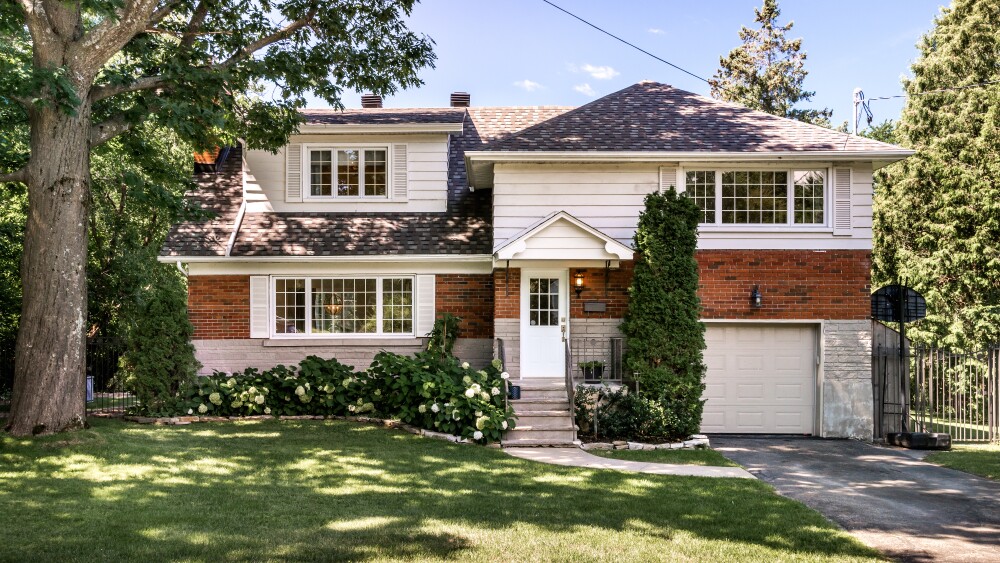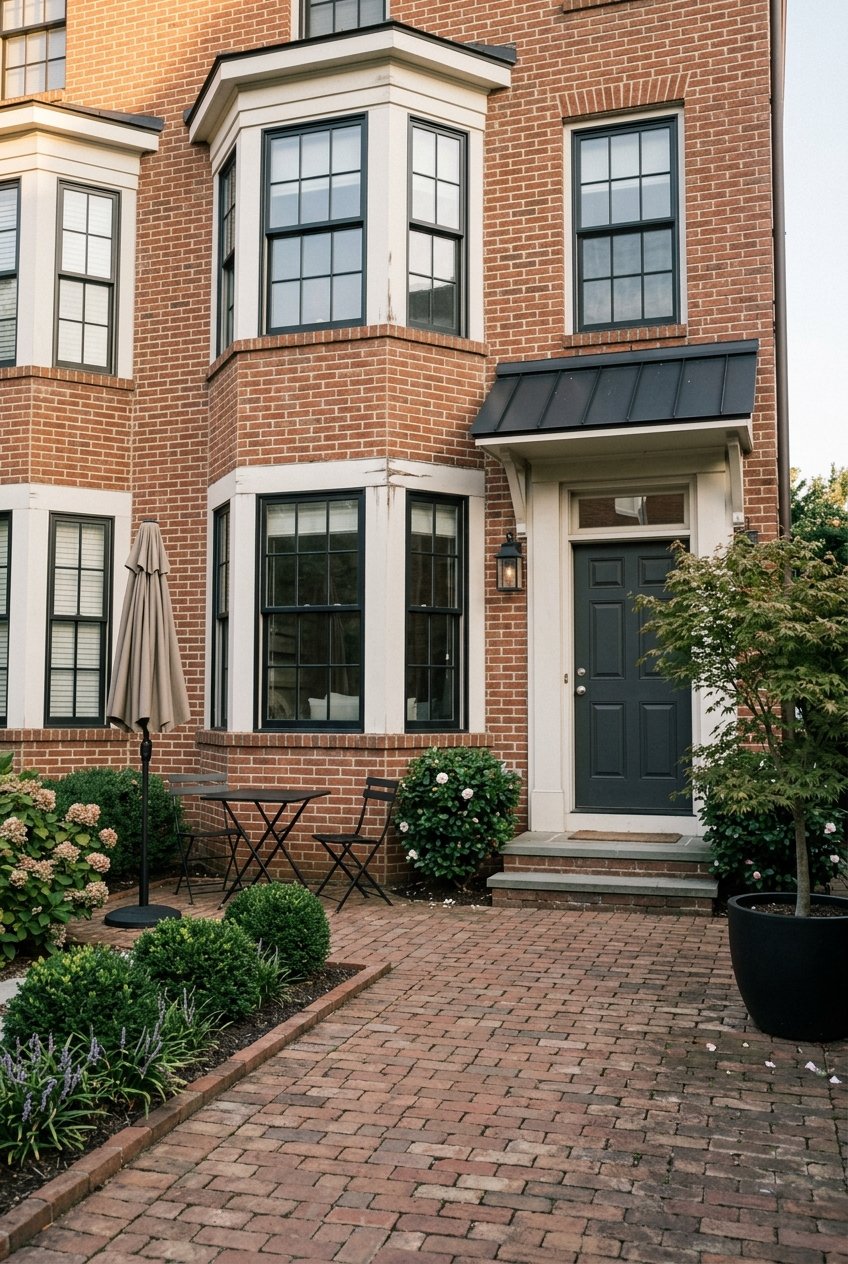
Selling your home in Alpharetta can feel like a race against the calendar, especially if you are juggling a move, school schedules, work, or a purchase on the other side. The good news is that most home sales here follow a fairly predictable rhythm when you plan ahead. If you want a smoother process, stronger presentation, and fewer last-minute surprises, a clear timeline can make all the difference. Let’s dive in.
Start With the Right Expectations
One of the biggest mistakes sellers make is assuming their home will sell the first weekend. In Alpharetta, current market data points to a more measured pace. Recent sources show homes often need about 37 to 45 days on market, with pending timelines around 38 days and sale-to-list ratios near 99%.
That means your home may still move well, but it usually needs several weeks of exposure, showings, and buyer decision-making. A realistic timeline helps you plan your prep, your move, and your next steps with less stress.
Why Alpharetta Timing Is Not One-Size-Fits-All
Not every Alpharetta seller should follow the exact same schedule. Pricing and pace can vary by ZIP code and price point. Recent listing data shows median listing prices ranging from about $703,750 in 30022 to $1,125,000 in 30004, with 30009 at $892,000 and 30005 at $774,900.
County-level updates also show variation in days on market and list-price performance. In practical terms, that means your launch plan should reflect your specific neighborhood, price band, and home condition. Some homes need a lighter touch before listing, while others benefit from more focused preparation and sharper pricing discipline.
A Simple Alpharetta Home Sale Timeline
For most sellers, the process breaks into four phases:
- Pre-listing preparation: about 2 to 4 weeks before launch
- Active market time: about 1 to 6 weeks on market
- Under contract period: several weeks for inspections, financing, and attorney preparation
- Closing week: final walk-through, document review, signing, and recording
This is best used as a planning framework, not a guarantee. Every sale depends on pricing, presentation, buyer financing, inspection results, and market conditions at the time your home goes live.
Phase 1: Prepare Before You List
Plan 2 to 4 Weeks for Prep
If you want to avoid a rushed listing, give yourself at least a few weeks before launch. This is the stage where you meet with your agent, review pricing, decide on repairs, organize the home, and prepare for photography.
This early window matters because your first impression is hard to redo. In a market like Alpharetta, where buyers usually take several weeks to make decisions, a polished launch can help your home stand out from day one.
Consider a Pre-Sale Inspection
A pre-sale inspection is not required, but it can help you spot issues before a buyer does. That gives you time to make repairs, adjust pricing, or prepare clear disclosures.
Finding concerns early can also reduce surprises once you are under contract. If an issue shows up during the buyer’s inspection, it can slow negotiations or create new closing obstacles.
Declutter, Clean, and Gather Key Items
Before your home hits the market, focus on the basics that improve both photos and in-person showings. National guidance for sellers recommends cleaning, reducing clutter, improving curb appeal, and gathering warranties, guarantees, and manuals for items that will remain with the home.
These tasks may sound simple, but they support a smoother process from start to finish. They also make it easier for buyers to understand the home and picture how the space functions.
Phase 2: Prioritize Presentation
Stage the Rooms That Matter Most
Presentation has a real effect on buyer perception. According to the National Association of Realtors 2025 Profile of Home Staging, 83% of buyers’ agents said staging makes it easier for buyers to visualize a future home.
The same report found that the most important rooms to stage are the living room, primary bedroom, and kitchen. If you are deciding where to focus your time and budget, those spaces are the best place to start.
Finish Styling Before Photography
Photos play a major role in how buyers respond to a listing. NAR reported that photos were highly important to 73% of clients, along with traditional staging, video, and virtual tours.
That is why the highest-value work should happen before the camera comes out. Minor repairs, room styling, decluttering, and final touch-ups should be done before photography and before your listing goes live.
Budget for Smart, Targeted Improvements
You do not always need a full remodel to improve your market position. Often, the most effective work is cosmetic and strategic. A focused plan for styling, visual flow, and buyer-facing details can create a more polished result without over-improving the property.
For sellers who want a design-forward launch, this is where expert guidance can save time and prevent wasted effort. The goal is to make the home feel clean, inviting, and easy to understand the moment buyers see it.
Phase 3: Launch With a Realistic Market Window
Expect Several Weeks, Not Just a Weekend
Current Alpharetta data suggests that once your home is listed, you should prepare for showings and feedback over a period of weeks. Recent sources place days on market around 37 to 45 days, with homes going pending in about 38 days.
That does not mean your home is underperforming if it does not go under contract immediately. It means you should plan for an active market phase that includes scheduling, buyer reactions, and occasional adjustments.
Watch the First 2 to 3 Weeks Closely
The first few weeks matter because they tell you how buyers are responding to your pricing and presentation. If showing traffic is soft or feedback points to the same concerns again and again, it may be time to revisit your strategy.
In many cases, the best move is not to wait too long. A smart adjustment to price, staging, or listing materials can improve momentum while your listing is still fresh.
Choose Your Launch Month Carefully
If your timing is flexible, spring can offer an advantage. National Realtor.com research suggests that mid-April has historically been a strong week to list, with higher prices, more views, less competition, and sales about nine days faster than listings launched in January.
That is a national benchmark, not Alpharetta-specific data. Still, it can be helpful when you are choosing a target month and building your prep timeline backward from your preferred list date.
Phase 4: Understand the Georgia Contract Timeline
Georgia Closings Require an Attorney
Georgia is an attorney-closing state, which affects how your final timeline comes together. The State Bar of Georgia states that only a licensed Georgia attorney may prepare or facilitate execution of a deed of conveyance and oversee the closing process.
That means your contract-to-close timeline includes legal coordination in addition to buyer financing and inspections. It is one more reason to build in breathing room instead of assuming the process will wrap instantly.
Inspections Usually Happen Early
Once you accept an offer, the buyer should schedule their inspection as soon as possible. This gives both sides time to review any findings and decide how to handle repairs, credits, or other next steps.
It is also important to remember that an inspection and an appraisal are not the same thing. For financed purchases, the buyer will usually need an appraisal through their lender, and major repair concerns can make closing more complicated.
Financing Adds Time and Milestones
If your buyer is using a mortgage, lender processing will shape the contract period. One key milestone is the Closing Disclosure, which must be provided at least three business days before closing for financed purchases.
This document review period matters because it gives the buyer time to confirm terms before signing. It also means that any delays earlier in the process can put pressure on the final week.
Phase 5: Plan for Closing Week
Schedule the Final Walk-Through
Closing week is usually busy, even when the transaction has gone smoothly. Buyers typically complete a final walk-through before signing to confirm the home is in the expected condition.
As a seller, you want to make sure agreed-upon repairs are complete, the property is ready, and move-out timing is aligned with the closing plan. Good preparation here helps prevent unnecessary stress at the finish line.
Sign and Record the Transfer
At closing, the legal documents are signed to transfer ownership. After that, the settlement agent or closing attorney submits the paperwork for county recording.
This is the final step that completes the sale. Because Georgia uses an attorney-led closing process, having your documents, move-out plan, and communication organized ahead of time can make the handoff much smoother.
A Sample Timeline You Can Use
If you are trying to map your calendar, this sample framework can help:
| Timeline Stage | What Usually Happens |
|---|---|
| 2 to 4 weeks before listing | Consultation, pricing, inspection decisions, decluttering, staging, repairs, photography |
| Week 1 to 3 on market | Listing goes live, showings begin, buyer feedback comes in |
| Week 3 to 6 on market | Continued marketing, possible pricing or presentation adjustments, offer negotiation |
| Under contract | Inspection, appraisal, lender processing, attorney coordination |
| Closing week | Final walk-through, Closing Disclosure review, signing, recording |
Your actual timeline may be shorter or longer depending on your home, buyer demand, and contract terms. The key is to start early enough that you are making decisions calmly instead of reacting under pressure.
How a Design-Forward Plan Can Help
If you want to sell with less guesswork, your timeline should not start on listing day. It should start with a clear preparation plan that aligns pricing, presentation, media, and launch timing.
That is especially true in Alpharetta, where buyers often have options and where polished homes can make a stronger impression. A thoughtful, well-timed rollout helps you enter the market looking ready, not rushed.
When you combine smart prep with realistic expectations for market time and closing steps, you give yourself a better chance at a smoother sale. If you are thinking about selling in Alpharetta, Pamela Bills can help you build a timeline that fits your home, your goals, and your next move.
FAQs
How long does it usually take to sell a home in Alpharetta?
- Current Alpharetta market data suggests many homes take about 37 to 45 days on market, though your timeline can vary based on price, location, condition, and buyer demand.
How far in advance should you prepare an Alpharetta home for sale?
- A practical planning window is about 2 to 4 weeks before listing for pricing, decluttering, inspection decisions, staging, repairs, and photography.
What rooms matter most when staging an Alpharetta home sale?
- The living room, primary bedroom, and kitchen are the rooms most commonly identified as the most important spaces to stage.
What happens after you accept an offer on a Georgia home sale?
- After contract acceptance, the process usually includes the buyer’s inspection, appraisal if financing is involved, lender processing, attorney coordination, final walk-through, signing, and recording.
Do you need an attorney to close on a home sale in Georgia?
- Yes. Georgia is an attorney-closing state, and a licensed Georgia attorney must oversee the closing process and the deed transfer.