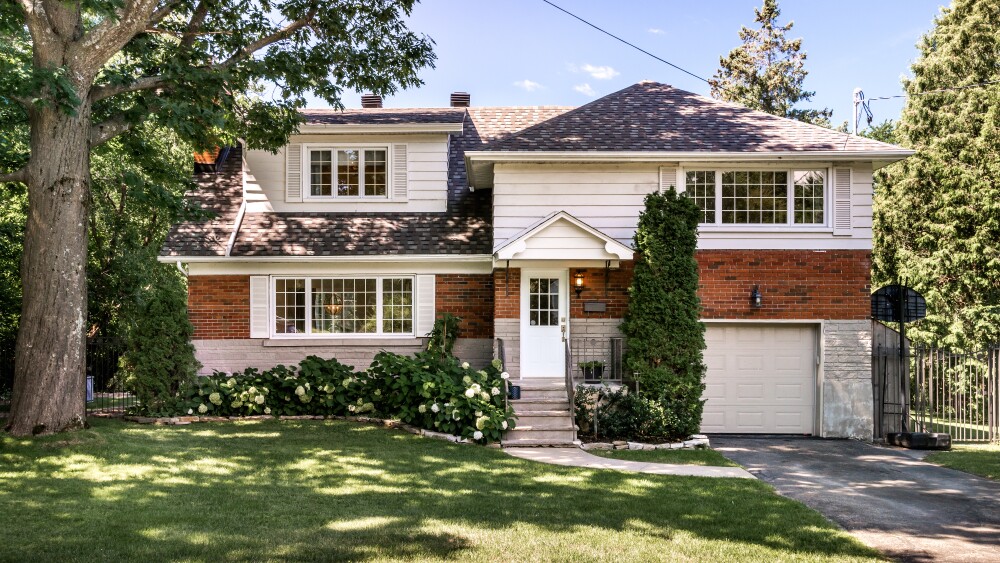
Looking at Alpharetta for a single-family rental and wondering if the numbers truly work? You are not alone. Investors are drawn to the city’s amenities, strong job base, and well-regarded public schools, yet purchase prices can make near-term cash flow feel tight. In this guide, you will see what typical prices and rents look like, how to underwrite a local deal, which neighborhoods to compare, and the key risks to watch. Let’s dive in.
Alpharetta at a glance: prices and rents
Alpharetta’s typical home values sit around the low $700,000s based on recent market snapshots. That puts the city above most Atlanta suburbs on price, which matters for yield modeling.
Apartment indexes often show average rents in the roughly $1,900 to $2,100 range. Those figures are apartment-weighted and help set a baseline for the market.
Single-family rentals usually ask more because they are larger and target family households. Live listings commonly show $2,200 to $4,000+ for 3 to 4 bedroom homes, with higher asks near Avalon and Downtown and more moderate figures in outer subdivisions. Always pull block-level comps before you write an offer.
What drives tenant demand
High incomes and education levels support premium rents. According to the U.S. Census QuickFacts for Alpharetta, median household income is about $140,000 to $148,000, and the city has a high share of residents with bachelor’s degrees. That helps sustain a tenant pool that can support single-family pricing. See the latest data on the U.S. Census QuickFacts page.
Large mixed-use districts like Avalon, Downtown Alpharetta, and nearby Halcyon add walkable retail, dining, and office that broaden demand and reduce vacancy for well-located homes. Explore the region’s prominent mixed-use developments to understand amenity pull and project timelines.
Public schools are a major factor for family tenants. Alpharetta sits within Fulton County Schools’ Learning Zones that include Alpharetta, Milton, Johns Creek, and nearby high schools. Several of these schools are consistently ranked among Georgia’s top public high schools in third-party assessments, which often correlates with higher rents and stronger retention for family-oriented homes. Verify a property’s exact school assignments on the Fulton County Schools site, and review recent rankings reported locally.
Neighborhood tiers to compare
Downtown Alpharetta and Avalon
Expect premium rents and fast leasing for well-priced homes, thanks to walkable amenities and lifestyle appeal. Single-family inventory is tighter here, so competition for quality listings can be high.
Windward, North Point, and the Halcyon area
These submarkets offer larger homes and attract corporate and tech employees from the North Point and Windward corridors. Rents are strong for updated properties with good curb appeal and modern interiors.
Crabapple, Ocee, and outer subdivisions
Conventional family neighborhoods with yards and subdivision amenities tend to pull steady family demand. Asking rents are often lower than Avalon or Downtown, but occupancy can be stable when homes are well maintained and accurately priced.
Quick yield math for Alpharetta
- Reference point: typical Alpharetta home value near $708,600.
- Conservative 3-bed rent example: $2,500 per month equals $30,000 per year. Gross rent yield is roughly 4.2% before expenses.
- Premium 4-bed example near a top amenity node: $3,500 per month equals $42,000 per year, or about 5.9% gross on the same price point.
Net yields compress once you underwrite taxes, insurance, management, maintenance, and vacancy. In Alpharetta, most returns rely on a blend of tenant quality, low turnover, and long-term appreciation. Stress test your pro forma with conservative assumptions.
Underwriting checklist for one SFR
- Clarify your goal. Decide if you are prioritizing cash flow, appreciation, or a hybrid plan that includes light renovations for forced value.
- Confirm school assignments. Use the Fulton County Schools site to verify the exact elementary, middle, and high schools for the property.
- Pull true SFR comps. Focus on recent and active single-family leases in the same subdivision or micro-area, not apartment averages.
- Check days on market. Review current listing counts and recent time-to-lease or time-to-sell for that pocket to gauge velocity.
- Review HOA covenants. Some neighborhoods cap rentals or require registration, which can limit your strategy. Regional zoning discussions around build-to-rent also matter.
- Map incoming supply. Large mixed-use or nearby apartment deliveries can shift demand. Track what is opening within 1 to 3 miles.
Expenses to model carefully
- Property taxes. Look up the parcel, current assessed value, and due dates on the Fulton County Tax Commissioner site. Investor-owned rentals do not qualify for homestead exemptions.
- Insurance. Get quotes for a landlord policy from local carriers.
- Property management. Many single-family managers charge about 8 to 10 percent of monthly rent. Confirm exact terms and any lease-up fees.
- Maintenance and capital reserves. Budget more for older homes or those with deferred updates.
- Vacancy buffer. A conservative baseline of 6 to 8 percent is common for well-located single-family in stable suburbs. Validate with a local property manager.
Near-term trends and risks to watch
- Metro supply pressure. The Atlanta region has seen sizable multifamily deliveries, which can lift vacancy for new apartments. Well-located single-family rentals in high-demand suburbs like Alpharetta often remain resilient, but it is smart to monitor local absorption and concessions.
- Mixed-use competition and spillover. New apartments and townhomes near Avalon, Downtown, and Halcyon can compete for renters who prioritize walkability and new finishes. The same projects can also boost demand for nearby single-family by elevating neighborhood appeal.
- Zoning and HOA rules. Some North Atlanta jurisdictions have explored limits on build-to-rent or rental concentrations. Review local code and HOA rules before making portfolio-level commitments.
Alpharetta vs nearby options
- Alpharetta. Broad tenant base, strong amenities, and well-regarded public schools. Expect modest gross yields and a strategy that values tenant quality and appreciation.
- Roswell. Often slightly lower entry prices and lower average apartment rents than Alpharetta, which can improve near-term cash flow while keeping access to the North Fulton demand base.
- Johns Creek and Milton. Similar high-income, family-driven markets with high home values. Entry costs can be comparable to Alpharetta, so underwrite with the same discipline and confirm submarket nuances.
How design and presentation boost returns
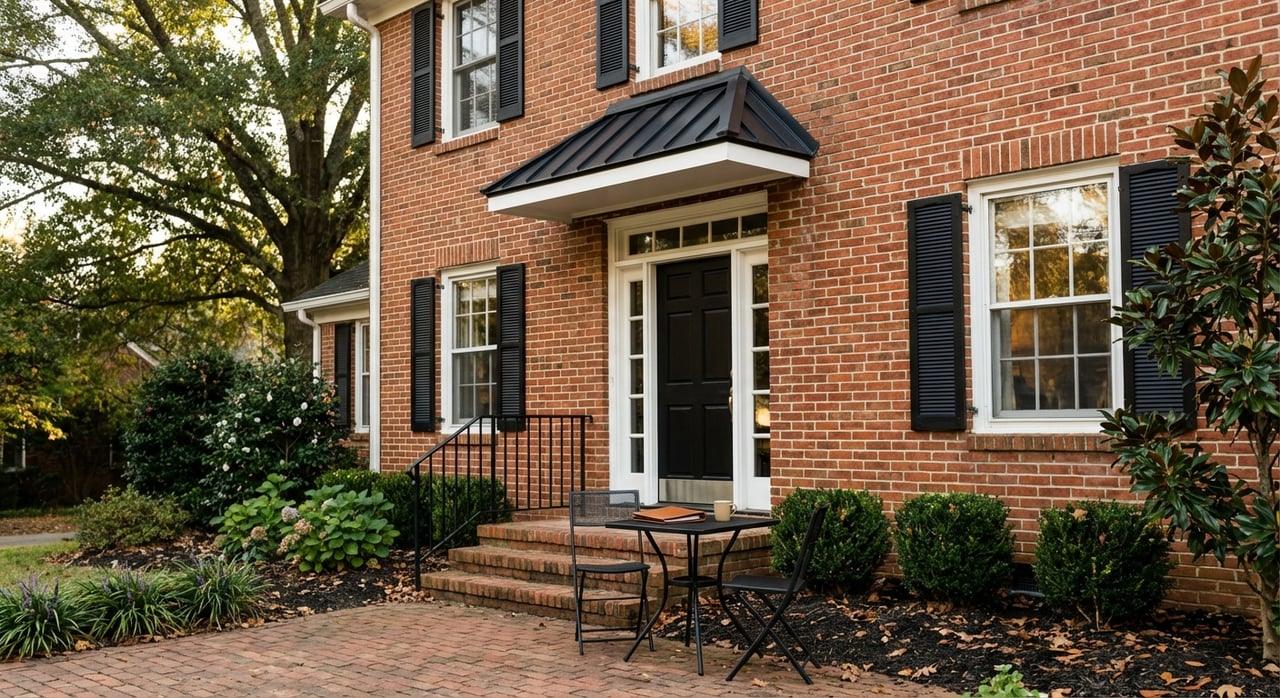
Condition and presentation matter for both rent and retention. In Alpharetta, tenants often prioritize updated kitchens and baths, clean paint schemes, well-lit rooms, and tidy landscaping. Thoughtful staging and minor cosmetic refreshes can shorten vacancy, attract stronger applications, and support premium pricing. A design-led approach also helps you market the home across digital channels with photos that stand out.
Your next steps
- Define your return target and holding period.
- Identify one or two submarkets that match your tenant profile and budget.
- Verify school assignments, tax estimates, and HOA rules for each target address.
- Pull three to five recent single-family lease comps per property and confirm days on market.
- Get quotes for insurance, management, and any make-ready work to firm up your pro forma.
If you want a local, design-forward partner to help you source, underwrite, prepare, and lease or sell a North Fulton property, connect with Pamela Bills. Schedule a Free Consultation and get a clear, numbers-first plan tailored to your goals.
FAQs
Is Alpharetta a good single-family rental market right now?
- Yes if you value tenant quality, low turnover, and long-term appreciation. Near-term cash yields are usually lower than cheaper suburbs, so underwrite conservatively and verify current comps before you buy.
How much rent can a 3-bedroom house in Alpharetta command?
- Many 3-bedroom single-family listings ask in the $2,200 to $3,800 range depending on location, finishes, and school assignment. Always price from recent single-family comps in the same subdivision.
Do public schools affect rents and prices in Alpharetta?
- School assignments often influence rent and demand for family-oriented homes. Verify zones on Fulton County Schools, and review recent third-party rankings cited by local outlets.
What is a quick way to gauge rental demand on a specific street?
- Compare active single-family listings and asking rents, check days on market for similar homes nearby, and call a local property manager to confirm recent leasing velocity and concessions.